-
 Posted On Entertainment
Oploverz Nonton Anime Sub Indo Episode Terbaru


Sejarah Oploverz: Platform Nonton Anime Terkemuka Oploverz adalah platform nonton anime yang telah menjadi salah satu yang terkemuka di Indonesia.…
-
 Posted On Entertainment
Cara Download Anime Subtitle Indonesia di Oploverz
Oploverz adalah website streaming dan download anime jepang subtitle bahasa indonesia. Berbagai anime telah diterjemahkan, beberapa anime terjemahan terkenal antara…
-
 Posted On Entertainment
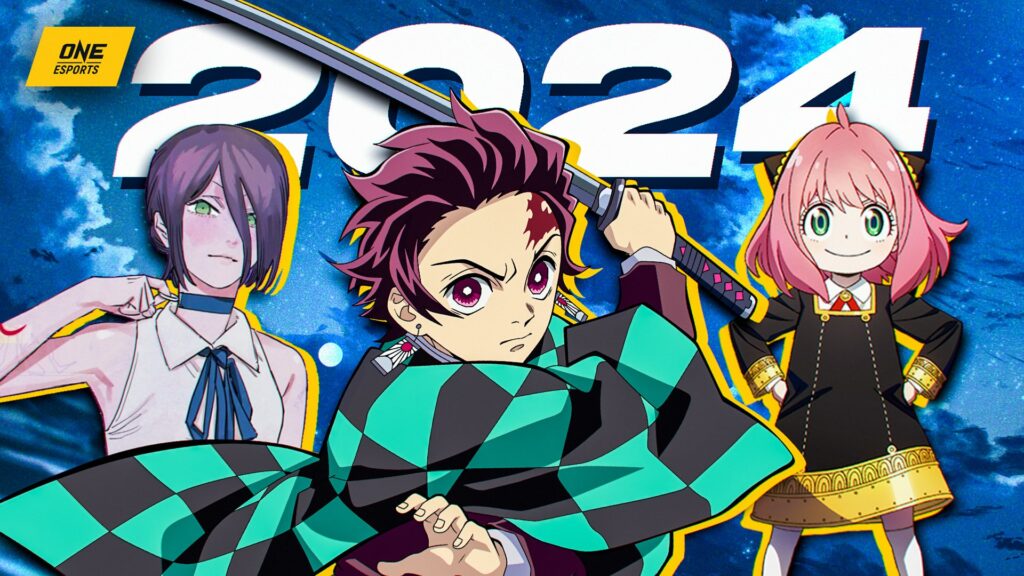
Masa Depan Cerah: Prediksi Tren Film Anime Di Bioskop Di Tahun-Tahun Mendatang
Masa Depan Cerah: Prediksi Tren Film Anime di Bioskop di Tahun-Tahun Mendatang Industri film anime telah mengalami pertumbuhan pesat dalam…
-
 Posted On Entertainment
Etika Menonton Film Anime Di Bioskop: Menghormati Pengalaman Penonton Lain
Etika Menonton Film Anime di Bioskop: Menghormati Pengalaman Penonton Lain Menonton film anime di bioskop merupakan pengalaman yang luar biasa,…
-
Posted On Entertainment
Tips Dan Trik Menonton Anime Di Bioskop: Persiapan Maksimal Untuk Pengalaman Optimal
Tips dan Trik Menonton Anime di Bioskop: Persiapan Maksimal untuk Pengalaman Optimal Bagi para penggemar anime, menonton film animasi Jepang…
-
 Posted On Entertainment
Rekomendasi Film Anime Terbaik Untuk Ditonton Di Bioskop: Dari Klasik Hingga Terbaru
Rekomendasi Film Anime Terbaik untuk Ditonton di Bioskop: Dari Klasik hingga Terbaru Dunia anime telah berkembang pesat selama bertahun-tahun, menghasilkan…
-
 Posted On Entertainment
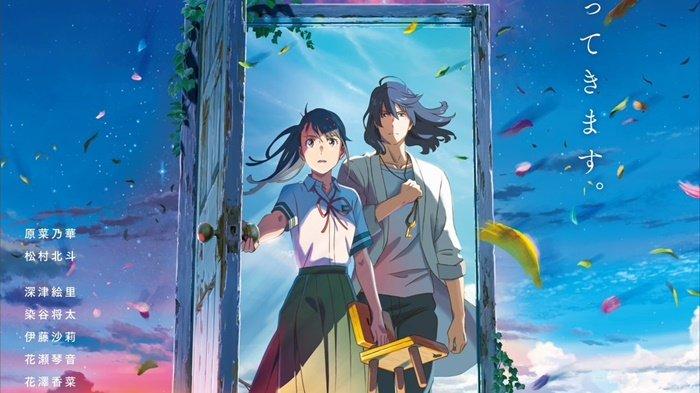
Anime Mendunia: Mengapa Popularitas Film Anime Di Bioskop Semakin Meningkat?
Anime Mendunia: Mengapa Popularitas Film Anime di Bioskop Semakin Meningkat? Dalam beberapa tahun terakhir, film anime telah mengalami peningkatan popularitas…
-
 Posted On Entertainment
Nostalgia Dan Kejutan: Menikmati Kembalinya Anime Klasik Ke Layar Lebar
Nostalgia dan Kejutan: Menikmati Kembalinya Anime Klasik ke Layar Lebar dalam Bahasa Indonesia Industri anime telah mengalami kebangkitan besar dalam…